
HOW WILL AR GLASSES CHANGE THE WORLD?

The 15 most revolutionary applications
Today we’re talking about AR glasses, i.e. augmented reality glasses, and the innovative and revolutionary things they could display. In case you missed it: Facebook’s Mark Zuckerberg recently presented Project Orion. A pair of augmented-reality glasses not yet intended for the mass market. So far only 1,000 of them have been produced. But this technology could soon replace our beloved and sometimes hated smartphone. My big hope is that first of all our view of the real world is free again.
And then we can block our view again with all sorts of other things.
What can be displayed on them and what else such glasses are capable of, that’s what we look at today. And please don’t immediately cry “Data protection!!! Data protection!!!” at the first point. Let’s first think about what is even possible. My personal highlight comes at the end, of course – so stay tuned.
Project Orion: quite a lot of technology packed into a magnesium alloy. That’s why the glasses weigh only 98 grams. Mark Zuckerberg presented them personally at a keynote. The glasses work with eye tracking, have seven cameras built in, and the display consists of micro LEDs that, through a new waveguide technology, project the light beams to the desired point in the eye. This lets us make displayed objects float in space. Presentations, chats, additional information on objects and above all virtual avatars can be shown through the glasses. Of course you can also play games, and control the whole thing not only with your eyes but, in Meta’s case, also with a wristband. My preferred input method would be speech. Project Orion also has microphones and speakers. It’s a prototype in this small run – but the possibilities this new technology offers are enormous.
I thought about possible functions and compiled 15 possible applications for you in one video.
Live translation in the real world

Imagine you’re abroad and a conversation partner speaks a language you don’t understand. The glasses could display real-time translations right over your partner’s mouth or in your field of view. Signs, menus or documents – everything becomes understandable for you. Language barriers would disappear and global communication would be made easier.

Health and vital data
With authorized access, the glasses could show vital data like heart rate, stress level or health warnings from smartwatches and other wearables. For first responders this would mean assessing injuries faster, while doctors could monitor their patients more easily. Even in everyday life you could tell whether someone is stressed.
Material and structure recognition
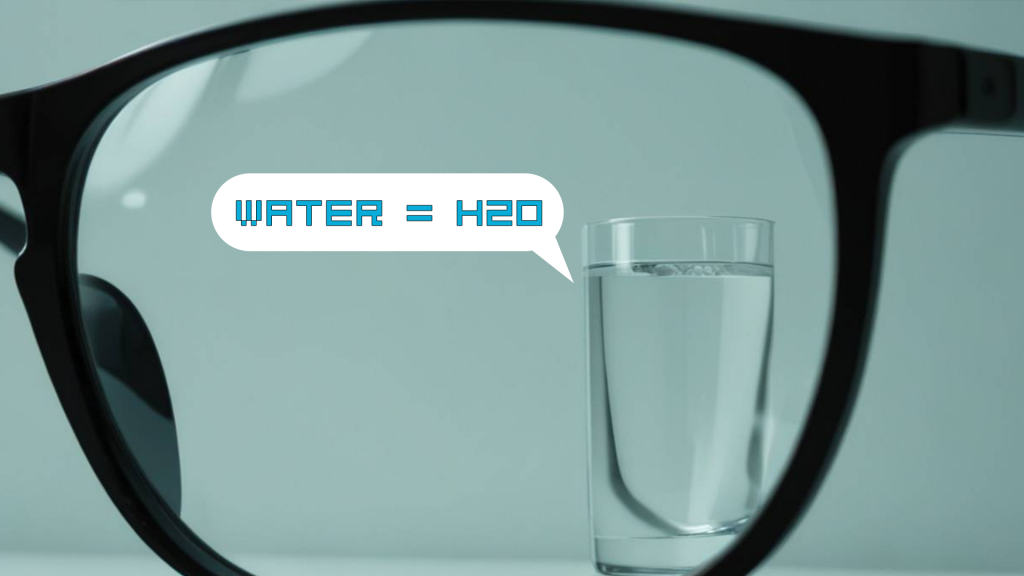
The glasses could show you the chemical composition or quality of materials. Whether a wall is load-bearing, a food is fresh or a fabric is harmful – everything could be recognized directly. Engineers, tradespeople or environmentalists could benefit just as much as people in everyday life when shopping or doing DIY.

AR instruments for tradespeople or technicians
When you repair something, the glasses show tools such as virtual spirit levels, distance or temperature gauges. They show you how parts are assembled or where cables run. DIY projects and professional work would be made enormously easier.
Virtual avatars and holograms

We just saw this with Project Orion. Digital avatars, either of real people or AI assistants. Imagine virtual people appear through the glasses and help you interactively. A trainer corrects your fitness exercises, a teacher explains a topic to you, or you take part in a meeting with mixed-reality avatars. Even in gaming the possibilities would be limitless. We saw how successfully Pokémon brought the real and digital worlds together.

Advanced object recognition with additional information
Artworks in a museum, the make of a car or details about a plant – the glasses could show you everything directly. Is the plant poisonous? Edible? How do you care for it? This “Wikipedia for the real world” would give you information instantly without you having to search. Like here with the Mona Lisa. Artists could also project virtual art projects onto walls, for example, to creatively shape your surroundings. For 4.99 a month you see Banksy graffiti everywhere.
Emotion recognition in conversations
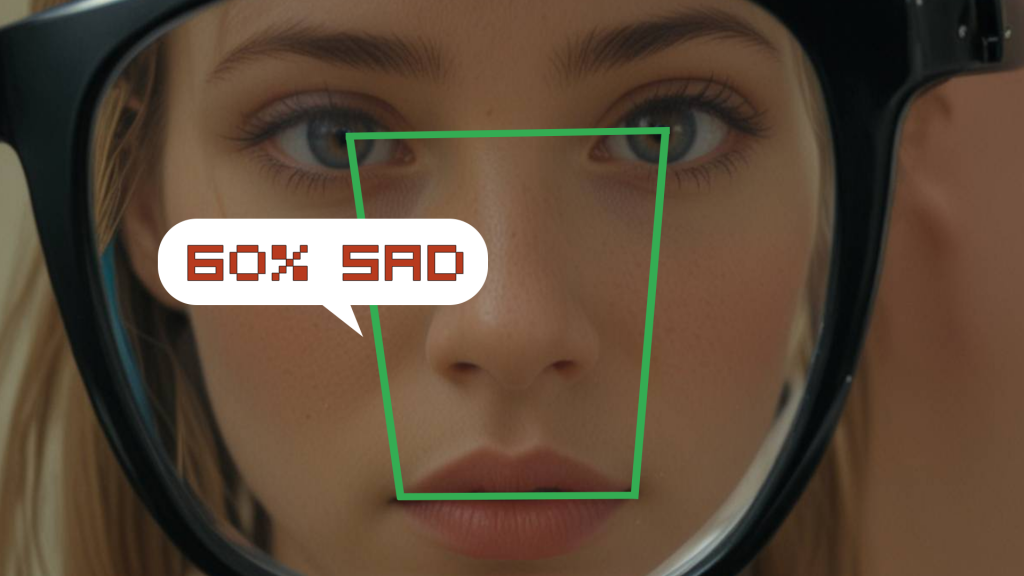
The glasses could analyze the facial expressions, body language and tone of voice of the person opposite you and show you their presumed emotions – nervous, angry, interested. Especially in social situations or negotiations this would be valuable help, particularly for people who find it hard to pick up on subtle moods.
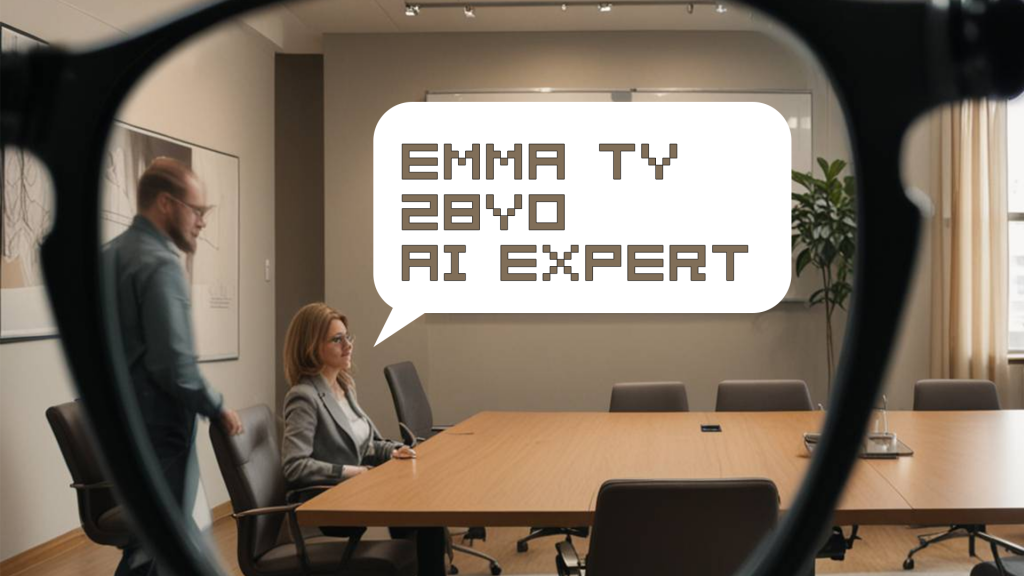
Extended social profiles in real life
During a conversation the glasses show you public information about the person opposite – with their consent, of course. Hobbies, latest tweets, LinkedIn data or shared contacts appear directly in your field of view. Perfect for networking, to make connections quickly and unobtrusively.
Personalized shopping assistants

When you enter a store, the glasses recognize products you like or display discount information right above items. They could suggest sustainable alternatives or recipes with certain ingredients. That makes your shopping more efficient and more personal.

Virtual reminders in the physical world
You can place digital sticky notes or reminders at locations, such as “Take your key” on the front door or “The winter jackets are here” in the wardrobe. Your surroundings become your personal assistant.
Simulation of architecture or interior design

Furniture, colors or renovation ideas can be simulated directly in your home through the glasses. That way you can try out and change your surroundings without actual costs or effort.

Live coaching and therapy
Your personal therapist – always reachable. Or your real life coach sits in your living room. Your pulse is over 120 and you’re not exercising right now? Your AI assistant automatically appears and asks what it can do for you.
Virtual memory flashbacks

could gain a whole new dimension with AR glasses. The glasses could act like a digital photo album that automatically shows photos, videos or notes you made at certain places. That way memories could be linked with places in a unique way and experienced anew.

Real-time danger warnings
The glasses could immediately recognize potential dangers like slippery floors, approaching vehicles or fire and highlight them visually. This function would have the potential to prevent accidents and even save lives.
Dynamic adaptation of reality

With this technology the glasses could hide or visually modify disturbing elements of the environment. Imagine they tidy up crowded rooms, reduce street noise or make a chaotic kitchen look neat.

They would thus not only provide information but fundamentally change the perception of the world. For concentrated work or stress-free moments, the glasses could for example hide people on the subway
or turn them into zombies

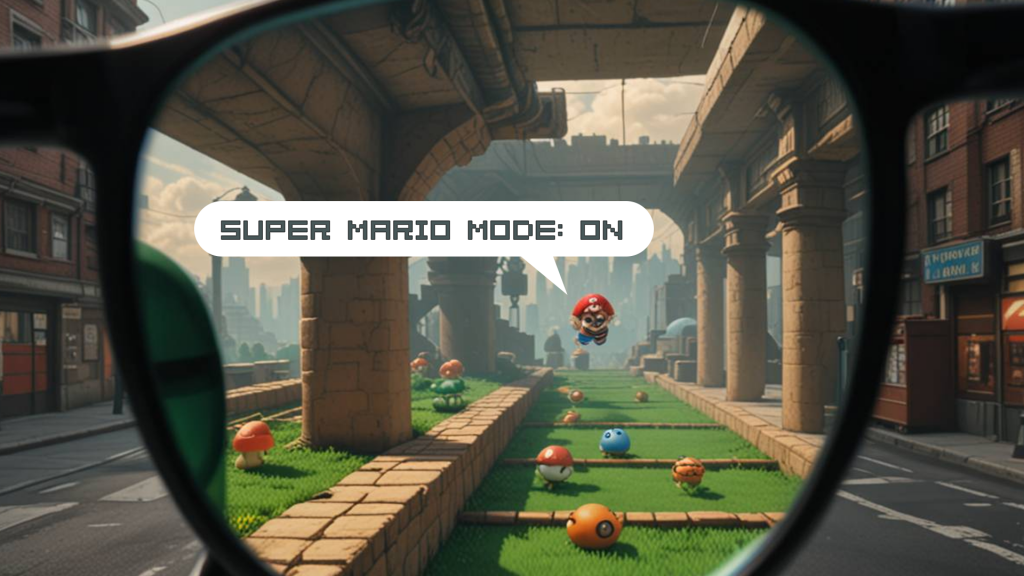
or cartoon characters. You could even experience the world from Super Mario’s perspective. The possibilities seem endless.
CONCLUSION
Philosophically speaking, everyone lives in their own reality anyway. With AR glasses this difference becomes all the clearer. These ideas go far beyond the mere display of information and could fundamentally change the way we interact with reality.
In the future such glasses could even be equipped with retina scanners enabling unique identification. You could unlock devices, retrieve data and interact seamlessly with digital services – simply by wearing the glasses. A technology that could completely redefine our everyday life.
This video is part of a series that takes a close look at new technologies to illuminate their potential impact on the world. Feel free to write in the comments what you would do with AR glasses.